Sample Handling
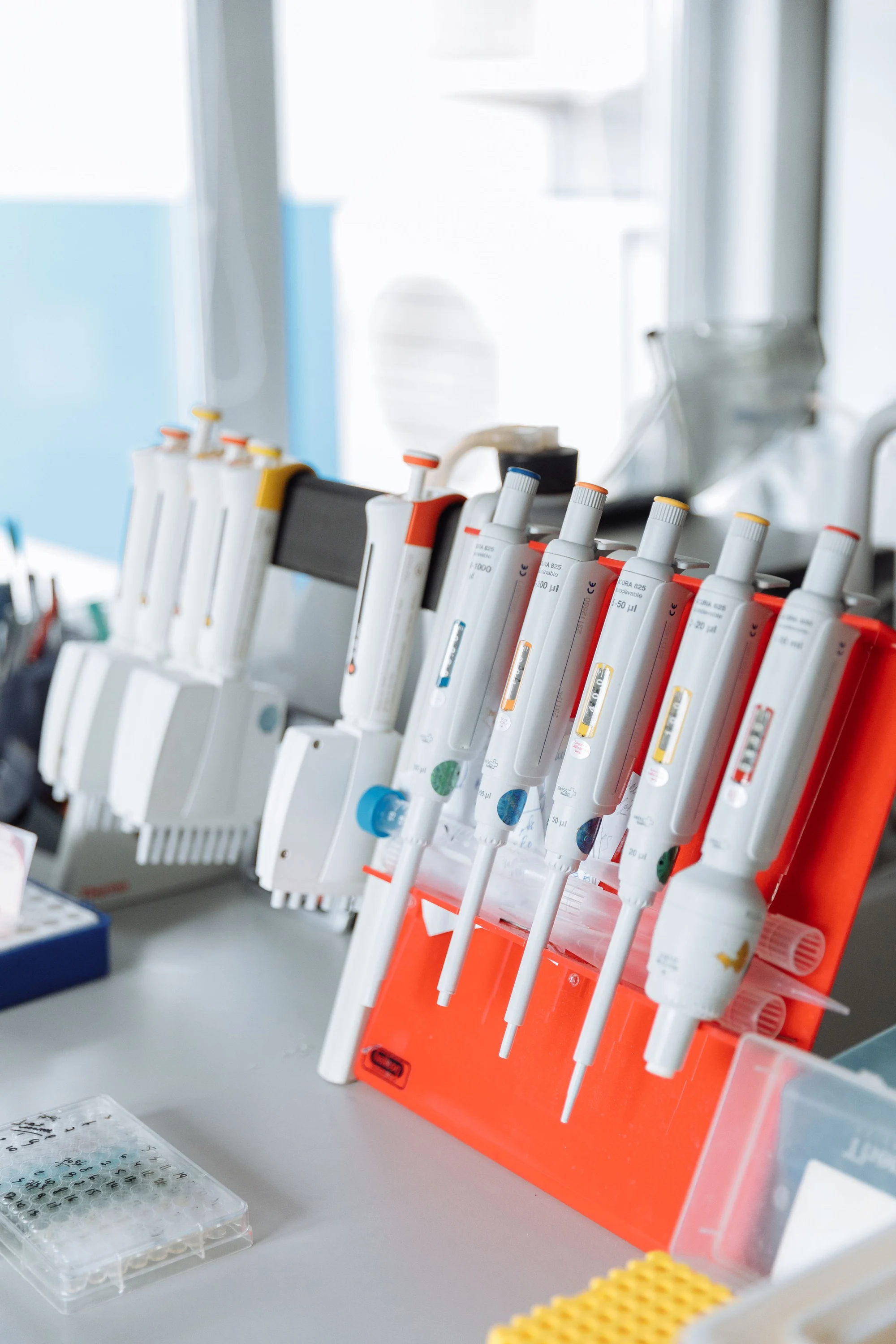
Liquid handling, weighing, plate transfer and instrument loading, configured for known labware. Sample identity follows each transfer.
Laboratories
Equipment, integration and capital for laboratories moving from manual procedures to connected, controlled execution.
Explore LaboratoriesTechnology



Workcells
Build around the laboratory’s methods and installed equipment, connecting each step through handling, documented interfaces and local controls.
Liquid handling, weighing, plate transfer and instrument loading, configured for known labware. Sample identity follows each transfer.
Connect supported instruments, schedules and results. Closed devices retain a documented operator handoff or an agreed vendor interface.
On-site compute, networks and scoped access support execution. Data retention and external model access follow the laboratory’s requirements.
Starting Point
From a manual bench to an automated cell, the programme addresses the gaps between the method’s steps.
Automate a defined preparation or measurement step. Establish handling tolerances and operator checks before extending the workflow.
Link sample identity, transfers and schedules across instruments. Record delays, failed runs and manual interventions for the scientific team.
Add controlled software access and execution records around existing automation. Retain qualified controls and assess changes against laboratory procedures.
Execution
Connect each approved method to its equipment, samples and results. The scientific team retains authority over interpretation and release.
Release the method and operating limits.
Check instruments, labware and readiness.
Schedule handling and instrument steps.
Review results, exceptions and release decisions.
Sample identity and method version remain attached to every run.
Applications
Equipment and integration for the laboratory’s actual work, from repeatable preparation to measurement and review.
Weighing, dispensing, mixing and measurement for cosmetics and materials development, with repeatable preparation and traceable changes between runs.
Sample preparation and instrument coordination for academic and industrial teams. Begin with a defined method and expand as requirements develop.
Sample tracking, preparation and result transfer into existing quality processes. Authorised laboratory personnel retain responsibility for validation and release.
Engineering
Engineers work alongside the scientific team to map methods, connect instruments and establish the operating procedure before handover.
Check interfaces, transfers and recovery with representative labware. Equipment acceptance remains distinct from scientific method validation and result release.
Maintain configurations, connections and service records. Calibration, consumables, spares and change control follow the laboratory’s established quality arrangements.
Acquisition
Purchase, lease or lease-to-own a defined equipment package, with integration and continuing service included in the programme scope.
Instruments, handling, fixtures and local infrastructure, with a clear specification of what is supplied, retained, connected or operated manually.
Drivers, scheduling and commissioning connect equipment to methods. Acceptance records the installed configuration and the agreed operating limits.
Maintenance, software support and specified spares keep the workcell supported. Commercial terms reflect the equipment and its operating requirements.
Evaluation
Suitable partner facilities can support equipment evaluation and method development. The core programme builds dedicated infrastructure at the customer’s laboratory.