Engineering Review
Compare specifications, equipment requirements and missing information before procurement. Engineers review the proposed configuration with its assumptions and sources.
Platform
Software connects work orders, equipment and operating evidence, with local execution and defined authority at every step.
Explore PlatformTechnology




Architecture
Connect business systems, machines and instruments through one operating layer, while retaining the controls each environment requires.
Models
Reasoning models read specifications, interpret operating evidence and prepare recommendations for engineers and operators.
Compare specifications, equipment requirements and missing information before procurement. Engineers review the proposed configuration with its assumptions and sources.
Interpret faults alongside schedules, equipment state and earlier interventions. Separate blocked work from unavailable assets and exceptions requiring specialist attention.
Bring manuals, configuration history and diagnostic evidence into the service response, so engineers begin with the relevant operating context.
Interfaces
Translate business requests into equipment tasks, then return completion evidence to the originating system. Exceptions remain visible throughout.
Connect order references to fulfilment tasks and stock movements.
Keep methods, sample identities and results connected through the run.
Route commands through supported controllers; record state changes and faults.
Results and exceptions return against the original order, sample or device reference.
Local Compute
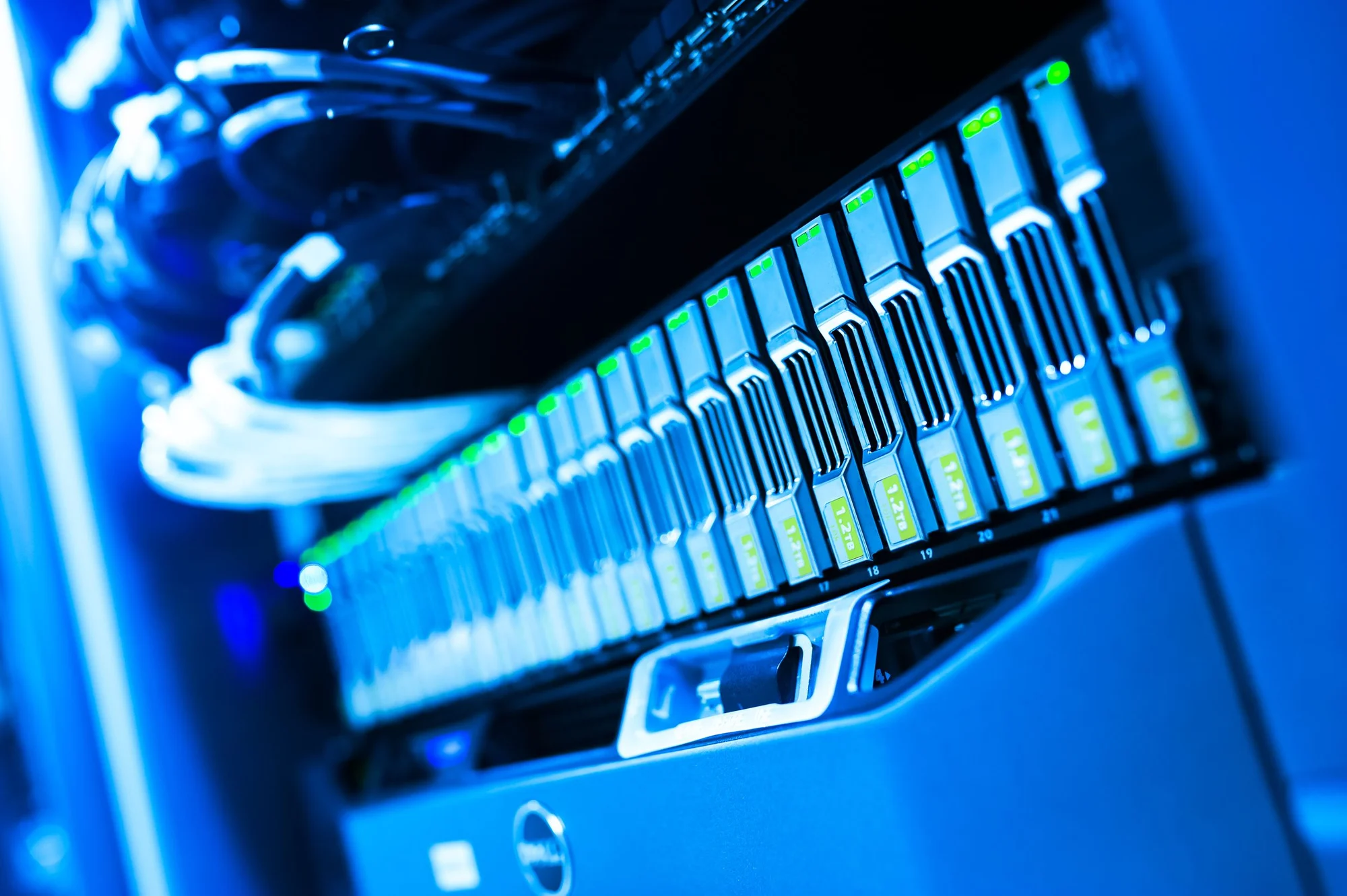
Run inference and scheduling close to the equipment, with local records and infrastructure sized for the workload.
On-Site Infrastructure
Inference · Scheduling · Operating Records
Industrial CPUs · Edge Accelerators · Local Data
Gateways · Segmented Access · Device Interfaces
Size CPUs, accelerators and storage for the workload, accounting for latency, power, cooling and supported software.
Segment equipment networks and service access. Scope credentials and data flows to each system’s authorised work.
Define recovery from network loss, interrupted tasks and downtime, including what may resume automatically and what requires operator approval.
Asset Record
Equipment identity, configuration and service history remain connected through commissioning, operation, change and renewal.
Record the accepted configuration, equipment identity, interface versions and initial operating limits.
Attach work results, exceptions, inspections and service events to the equipment concerned.
Record approved software updates, replacement parts and any revised acceptance requirements.
Review condition, supportability and outstanding obligations before extending or redeploying the system.
Planning
How equipment connects, where software runs and how operating authority is retained.
No. The platform connects supported interfaces around the existing installed base. Equipment without a suitable interface can remain in a documented manual workflow until an appropriate integration or replacement is justified.
Model-generated requests pass through the approved workflow, permissions and device adapter. Instrument commands remain constrained by the supported interface, local controls and the laboratory’s method approval requirements.
The deployment can include local inference, scheduling, gateways and local records. Remote services are added where the application and data requirements permit, with recovery procedures defined for loss of connectivity.
Controls
Models prepare and coordinate work. Approved methods, permissions and local safety controls determine what may execute, with clear escalation for exceptions.